


Biome


A biome ( BY-ohm) is a distinct geographical region with specific climate, vegetation, animal life, and an ecosystem. It consists of a biological community that has formed in response to its physical environment and regional climate.
The Earth is home to a remarkable variety of life, from lush rainforests to icy tundras. To make sense of this diversity, scientists group regions of the planet into large ecological categories called biomes. A biome is a vast area defined by its climate, geography, plants, and animals. Each biome supports unique ecosystems that interact to form the web of life on Earth.
A biome is a large geographical region characterized by specific climate conditions (temperature, rainfall, and seasonality), plant life, and animal species. Unlike smaller ecosystems, which focus on localized interactions, biomes cover broad areas of the planet.
For example:
- Tropical rainforest: Hot, humid, and rich in biodiversity.
- Desert: Dry, with extreme temperatures and specially adapted plants and animals.
- Grassland (Savanna or Prairie): Dominated by grasses, with scattered trees and large grazing animals.
- Taiga (Boreal Forest): Cold, forested areas dominated by coniferous trees.
- Tundra: Harsh, icy landscapes with short growing seasons.
- Marine & Freshwater Biomes: Cover oceans, rivers, and lakes, providing most of Earth’s oxygen and supporting aquatic life.
-
 Tropical rain forest
 -
 caravan going through sand in the Sahara Desert
 -
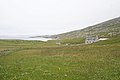 Grassland,Luskentyre, United Kingdom
 -
 Lake Baikal, Siberian taiga, Siberia, Russia
 -
 Greenland scoresby
 -
 Oregon community Coastal Wetland


Importance
[edit | edit source]- Support biodiversity: Each biome hosts unique plants, animals, and microorganisms. Biodiversity ensures resilience in the face of changes like disease, natural disasters, or climate shifts.
- Regulate climate: Forests act as carbon sinks, oceans store heat and regulate weather, and wetlands absorb excess rainfall. Together, biomes help stabilize Earth’s climate.
- Provide resources: Biomes supply food, fresh water, wood, medicines, and countless raw materials essential for human survival.
- Cultural and spiritual value: Many cultures are deeply connected to their surrounding biomes, shaping traditions, livelihoods, and identities.
- Ecosystem services: Pollination, soil formation, nutrient cycling, and oxygen production all depend on healthy biomes. Without them, life as we know it could not exist.
Threats to biomes
[edit | edit source]Human activities are rapidly changing and degrading biomes:
- Deforestation threatens rainforests and the species within them.
- Climate Change alters temperature and rainfall patterns, disrupting balance.
- Pollution harms air, water, and soil across all biomes.
- Urban expansion consumes natural land and fragments habitats.
- Protecting biomes for the future
Conserving and restoring biomes is crucial to protecting Earth’s life support systems. This means:
- Reducing deforestation and promoting reforestation.
- Expanding protected areas like national parks.
- Supporting sustainable agriculture and fishing.
- Combating climate change through renewable energy and conservation.
See also
[edit | edit source]| Authors | Irene Delgado |
|---|---|
| License | CC-BY-SA-4.0 |
| Cite as | Irene Delgado (2025). "Biome". Appropedia. Retrieved September 28, 2026. |