


A biome ( BY-ohm) is a distinct geographical region with specific climate, vegetation, animal life, and an ecosystem. It consists of a biological community that has formed in response to its physical environment and regional climate.
The Earth is home to a remarkable variety of life, from lush rainforests to icy tundras. To make sense of this diversity, scientists group regions of the planet into large ecological categories called biomes. A biome is a vast area defined by its climate, geography, plants, and animals. Each biome supports unique ecosystems that interact to form the web of life on Earth.
A biome is a large geographical region characterized by specific climate conditions (temperature, rainfall, and seasonality), plant life, and animal species. Unlike smaller ecosystems, which focus on localized interactions, biomes cover broad areas of the planet.
For example:
- Tropical rainforest: Hot, humid, and rich in biodiversity.
- Desert: Dry, with extreme temperatures and specially adapted plants and animals.
- Grassland (Savanna or Prairie): Dominated by grasses, with scattered trees and large grazing animals.
- Taiga (Boreal Forest): Cold, forested areas dominated by coniferous trees.
- Tundra: Harsh, icy landscapes with short growing seasons.
- Marine & Freshwater Biomes: Cover oceans, rivers, and lakes, providing most of Earth’s oxygen and supporting aquatic life.
 Tropical rain forest
 caravan going through sand in the Sahara Desert
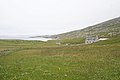 Grassland,Luskentyre, United Kingdom
 Lake Baikal, Siberian taiga, Siberia, Russia
 Greenland scoresby
 Oregon community Coastal Wetland


