


Jardín vertical con Fabricación digital/Vertical garden with digital manufacturing


| Type | |
|---|---|
| Authors | Christopher Amaya Alexa Cañas Anthony Nunez Jorge Menjivar Rodrigo Salamanca Edson Pintin |
| Location | El Salvador |
| Status | |
| Years |

Project Description
This project is a vertical garden that seeks to take advantage of digital manufacturing tools for its creation. It is designed for those who work in offices for most of the day and do not prioritize watering their plants; however, they seek a pleasant and fresh environment in their workspace. Therefore, the solution we present is this vertical garden, which consists of a laser-cut structure made up of 10 pieces, and small cacti that fit into the spaces that
It contains the figure when assembled. One of these pots was 3D printed so that the user can also choose to make it themselves.
Design Description
The vertical garden was designed for office environments or spaces to be decorated in the home, using digital fabrication technology to create an innovative and low-maintenance solution. The garden's main structure is composed of 10 laser-cut pieces, which are easily assembled to form an elegant and functional design. Each piece of the structure is precisely designed to fit the small cacti perfectly, providing a suitable habitat for their growth and development. These cacti, specifically selected for their resilience and low water requirements, are ideal for people with busy schedules who want to enjoy the beauty of plants without the need for constant care.
In addition to the laser-cut pieces, the vertical garden includes a special planter design, manufactured using 3D printing technology. This planter offers users the option to further customize their garden, allowing them to create their own unique planters according to their preferences and personal style. Overall, the vertical garden offers an attractive and practical solution to enhance the work environment, providing a touch of nature in interior spaces without sacrificing time or effort on maintenance. Its modular design and combination of digital manufacturing technologies make it a versatile and accessible option for any modern office environment.
Bill of Materials
- MDF for the laser-cut structure.
- 3 nails or bolts
- 8 mini cacti for decoration
- 3D Printed Flower Pot Pla
- Fusion360 and Illustrator program
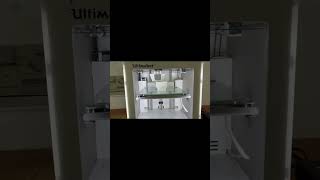
Among the tools used, we can mention Illustrator to create the shapes of the structure's pieces. These were vectorized to avoid any inconvenience. Additionally, each piece was slotted so they could fit together easily when cut. Fusion 360 was also used to design a small pot, which was printed on a 3D printer using an Ultimaker 3. The material used for the pot is PLA, which was ideal for the garden, as it is suitable for a plant that does not require constant watering and its weight is light for the structure.
Costs
| Buys | Concept | Cost |
|---|---|---|
| Laser cutting of the model | Laser cutting of the chosen MDF-based model for the final prototype | $25 |
| Cactus | 6 cacti to place in the final prototype | $6 |
| 3D printing | Printing the pot model for the prototype | $ - |
| Total | $31 |
Assembly Instructions
To carry out the project, we used digital manufacturing for the wooden structure that supports the plants and created a prototype of a pot specifically for plants within the vertical garden.
The laser-cut wooden pieces for the structure are designed to fit together to create the final shape. However, they must be done in a specific order so that the pieces fit together seamlessly.
- Insert the two largest pieces together in the center, forming a cross.
- Embed the four smaller pieces into the ends of the pieces you matched earlier in step 1.
- Insert the middle pieces, respectively, into the top or bottom. Some will be placed vertically, while others will be placed horizontally.
- Place the assembled structure on a wall using nails, double-sided tape, etc. (any material with which the structure can be fixed to a wall).
- Place the plants or cacti in the different available spaces according to the person's taste.
Operating Instructions
Our vertical garden works in a very simple way. Basically, it consists of placing the wooden structure on a wall, holding it with any available material (nails, double-sided tape, etc.), and then placing the various pots with plants or cacti according to the taste of the person who owns the new vertical garden.
Conclusions and Recommendations
In conclusion, the design of a vertical garden for office environments or other areas that need to be decorated represents an innovative and practical solution that combines space efficiency, low maintenance, and attractive aesthetics. Through the use of digital manufacturing technologies, a modular structure has been created that allows for the easy assembly of a vertical garden with cacti or other hardy, low-water plants. The inclusion of 3D-printed pots offers users the ability to further personalize their workspace, adding a unique and personal touch. Furthermore, by combining technology, design, and environmental awareness, this project has the potential to transform workspaces into healthier, more inspiring environments that are in harmony with the natural world, ensuring the success and adoption of this project.
Regarding recommendations, to ensure the long-term sustainability of the project, special attention should be paid to the selection of materials and manufacturing practices. Using recycled and recyclable materials in the manufacture of the vertical garden structure and 3D-printed planters would help reduce the environmental impact. Additionally, more sustainable manufacturing techniques can be explored, such as 3D printing with biodegradable filaments or laser cutting of natural and renewable materials.
Stage photographs
Pot Stages (3D Printing)


Structure Stages


result


Reel

Members
Group 3
Cristóbal Francisco Amaya Torres – 20215820
Alexa Nicole Cañas Navarro – 20215016
Anthony Fernando Núñez Oliva – 20215856
Jorge Alfredo Menjívar Arriola – 20215092
Rodrigo José Salamanca López – 20215029
Edson José Pintín Molina – 20215821
References
Facilisimo. (July 8, 2020). Vertical gardens so beautiful you'll want them in your home. Retrieved from Facilisimo: https://plantas.facilisimo.com/d/jardines-verticales-tan-bonitos-que-los-querras-en-tu-hogar_2474736.html
Miriam (n.d.). Create your own vertical garden. Retrieved from Estilo&Deco: https://www.estiloydeco.com/crea-tu-propio-jardin-vertical/
Rawat, A. (September 9, 2019). 11 Brilliant DIY Indoor Vertical Garden Ideas. Retrieved from fnpblog: https://www.fnp.com/blog/11-brilliant-diy-indoor-vertical-garden-ideas
Link to folder with editable files used: https://drive.google.com/drive/folders/1M0_lA6X-cF7Ewrc-00qgcyiZRT7Qj5ku?usp=drive_link
| Authors | Project design |
|---|---|
| License | CC-BY-SA-4.0 |
| Location | Santa Tecla , El Salvador |
| Organizations | ESEN |
| Cite as | Projectdesign (2024). "Vertical Garden with Digital Fabrication" . Appropedia . Retrieved October 17, 2025 . |