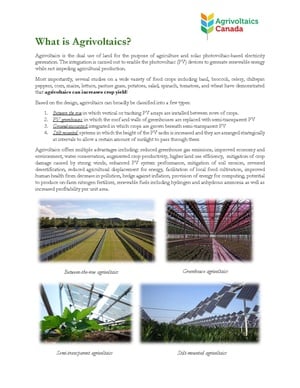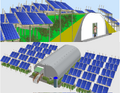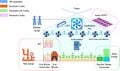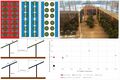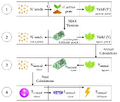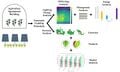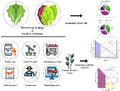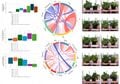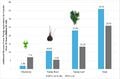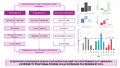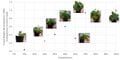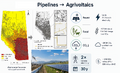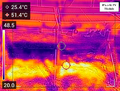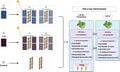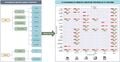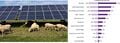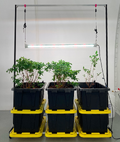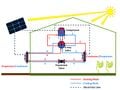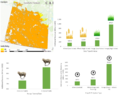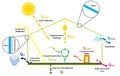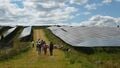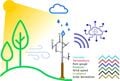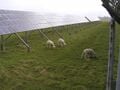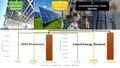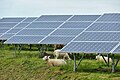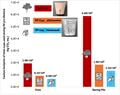

Climate destabilization threatens agricultural production. Using strawberries as a test case, which are particularly susceptible to climate change, this study investigates the use of agrivoltaics as a path to a climate resilient food system in both current (2025) and future (2050) climates. Strawberry production is examined within agrivoltaic systems composed of different types (thin film and silicon cell-based) of solar photovoltaic (PV) modules with varied transparencies. Shading and photosynthetically active radiation influenced the relationships between environmental factors, growth performance, and physiological responses. Climate change and agrivoltaic interventions influenced critical processes, such as photosynthesis, transpiration, stomatal conductance, and intercellular CO2 concentration. These factors also effected crop phenotypic measures including height, leaf count, chlorophyll and berry yield. High transparency PV modules with non-uniform spectral transmission under the 2050 scenario demonstrate increases in biomass production, highlighting the potential benefits of using agrivoltaics to offset future atmospheric changes.